About Fish and Chips
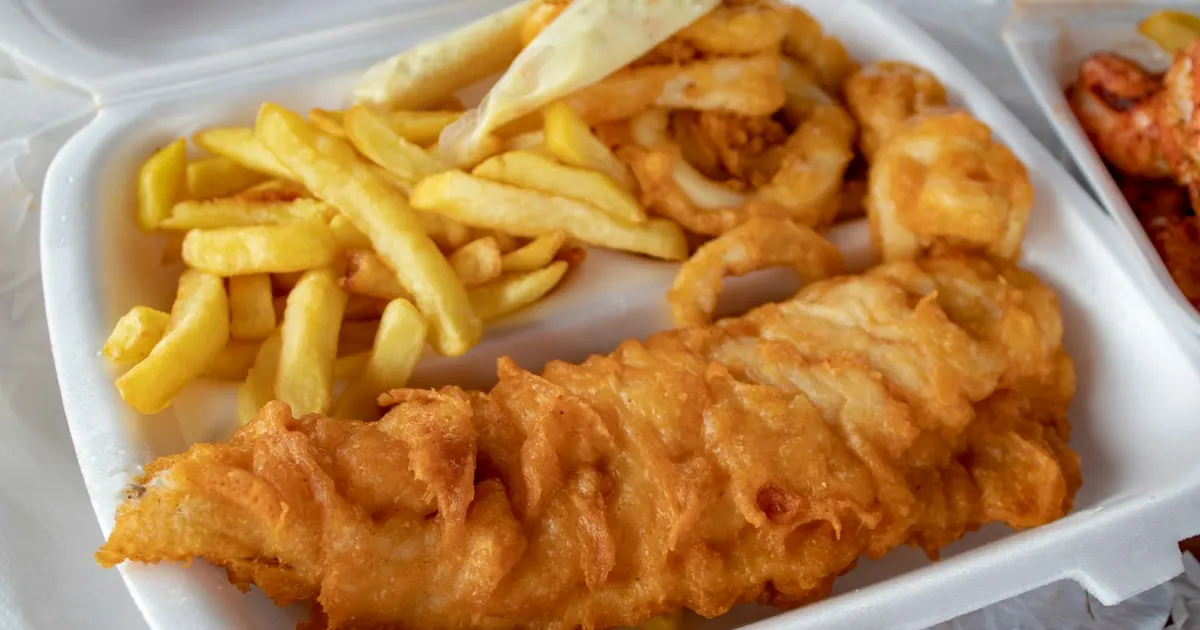
Fish and chips pairs a battered, deep-fried fish fillet with substantial potato chips. Cod and haddock are familiar choices on UK menus, though other fish appear depending on the shop and supply. The fillet is coated in batter before frying, forming a shell around the fish as it cooks.
The meal became established in Britain during the mid-1800s. Claims to the first combined fish-and-chip shop include locations in London and Lancashire; there is no need to present one claimant as an uncontested starting point. Its tradition brings together fried fish and chipped potatoes, rather than a single recipe followed identically everywhere.
Frying practices still distinguish shops. Some use vegetable oil, while others use beef dripping or another fat. Batter recipes and chip preparation also vary. A portion wrapped for travel will soften as steam collects, so the eating experience can differ from fish served immediately. When ordering, look beyond the fish name to the portion description, side choices and whether salt, vinegar or sauces are added before collection or supplied separately.
Common Ingredients
Recipes vary by restaurant; these are typical ingredients, not a guarantee of what any takeaway uses.
Main ingredients
- Fish fillet, such as cod or haddock
- Potatoes
- Wheat flour batter
- Water or beer in some batters
- Frying oil or fat
Typical sauces
- Tartare sauce
- Curry sauce
- Tomato ketchup
Common spices and seasonings
- Salt
- Black pepper in some recipes
Garnishes
- Lemon wedge
- Malt vinegar
- Parsley in some presentations
Possible allergens
- Fish
- Cereals containing gluten (wheat, barley)
- Egg
- Milk
- Mustard
- Celery
- Soya
- Sulphites
Taste and Flavour
The fish is generally mild and savoury, with haddock often offering a more pronounced flavour than cod. Batter supplies a crisp, fried exterior while the flesh underneath separates into moist flakes. Thick chips have a potato-rich centre and a surface that may be crisp or pleasantly soft.
Salt strengthens the savoury notes; vinegar provides a sharp counterpoint to the frying fat. Beef dripping can impart a different flavour from vegetable oil. Mushy peas add an earthy sweetness, tartare brings tang and creamy richness, and curry sauce adds warming spice without necessarily being very hot.
Choosing fish and understanding the fryer
Cod and haddock are not the only possibilities: plaice, hake and other species may appear on a particular menu. Availability and portion descriptions matter, so ask what the shop is serving rather than assuming a generic “fish” listing means cod.
Batter commonly starts with wheat flour and liquid, sometimes with raising agents; beer is an option, not a requirement. Fish and chips may be cooked in separate fryers or share equipment with other foods. Ask about both the frying medium and fryer use if this affects your diet. Chips cooked in beef dripping are not vegetarian, even though the potatoes themselves are plant-based.
Popular Variations
- Cod and chips: a familiar choice for a mild-flavoured white fish meal.
- Haddock and chips: another established option, with its own flavour and flake.
- Other fish: plaice, hake or other species give a different shape, texture or portion style; check the menu.
- Fish bites: smaller battered pieces rather than one whole fillet, sometimes listed as goujons or nuggets.
- Gluten-free batter options: offered by some shops, but suitability also depends on ingredients, handling and fryer arrangements.
A lightly battered request may be possible, though not every takeaway can alter its coating or cooking process.
What Goes Well With This Dish?
Mushy peas are traditionally made from dried marrowfat peas cooked until soft; they are different from a serving of ordinary garden peas. Curry sauce gives the chips a spiced coating, while tartare sauce brings pickled, creamy sharpness to the fish.
A buttered roll or bread suits anyone wanting a chip butty alongside the fillet. Pickled onions and gherkins offer crunch and acidity. If you value crisp batter, have wet sauces packed separately and add vinegar when ready to eat rather than before the journey home.
Allergens and Dietary Information
Fish and wheat are central allergens in a typical battered portion. Batter may also contain milk or egg, and beer batter can introduce barley. Tartare commonly contains egg and mustard; curry sauce may include wheat, celery, soya or milk. Check condiments and any sulphites in relevant products. Shared frying oil can expose chips to fish and batter, even without a fish portion.
Ingredients and allergens can vary between restaurants. Always check directly with the takeaway before ordering if you have a food allergy or specific dietary requirement.
Find Fish and Chips at Takeaways Near You
Enter your postcode to see takeaways on Eatin whose menus list fish and chips.
Frequently Asked Questions
Is chip-shop curry sauce vegetarian?
It can be, but the name is not enough to confirm it. Recipes and bought-in mixes differ, including their stocks and other flavourings. Ask the shop about the sauce ingredients and check the chips’ frying fat separately.
Does malt vinegar contain gluten?
Malt vinegar is usually made from barley, but suitability for a gluten-free diet depends on the product and relevant guidance. A chip shop may instead use non-brewed condiment. Ask what is actually supplied rather than treating every vinegar bottle as interchangeable.
How do I compare fish-and-chip takeaway menus?
Browse fish-and-chip menus near you on Eatin and compare the named fish, portion format and included sides. Check whether chips are included or ordered separately. For allergies or dietary restrictions, confirm batter ingredients and fryer arrangements directly with the shop.
Content last reviewed 10 November 2026.