About Chicken Vindaloo
Vindaloo has Goan roots shaped by Portuguese influence. Its name derives from the Portuguese carne de vinha d’alhos, a preparation associated with wine or vinegar and garlic. In Goa, that influence developed through local ingredients and cooking traditions into vinegar-sharpened, spice-rich dishes, notably made with pork. Chicken vindaloo is an adaptation rather than the only or original form.
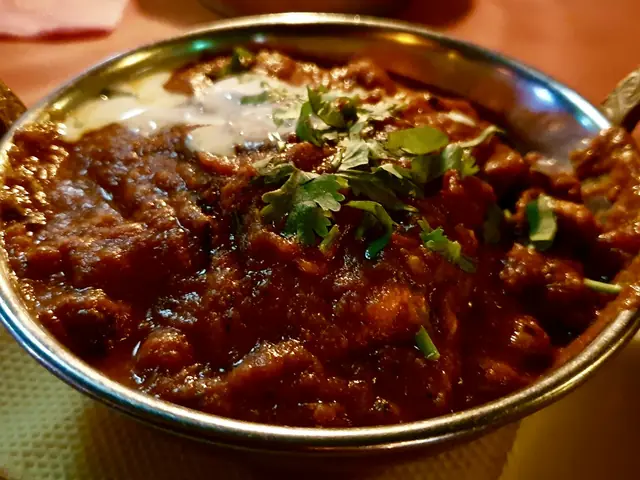
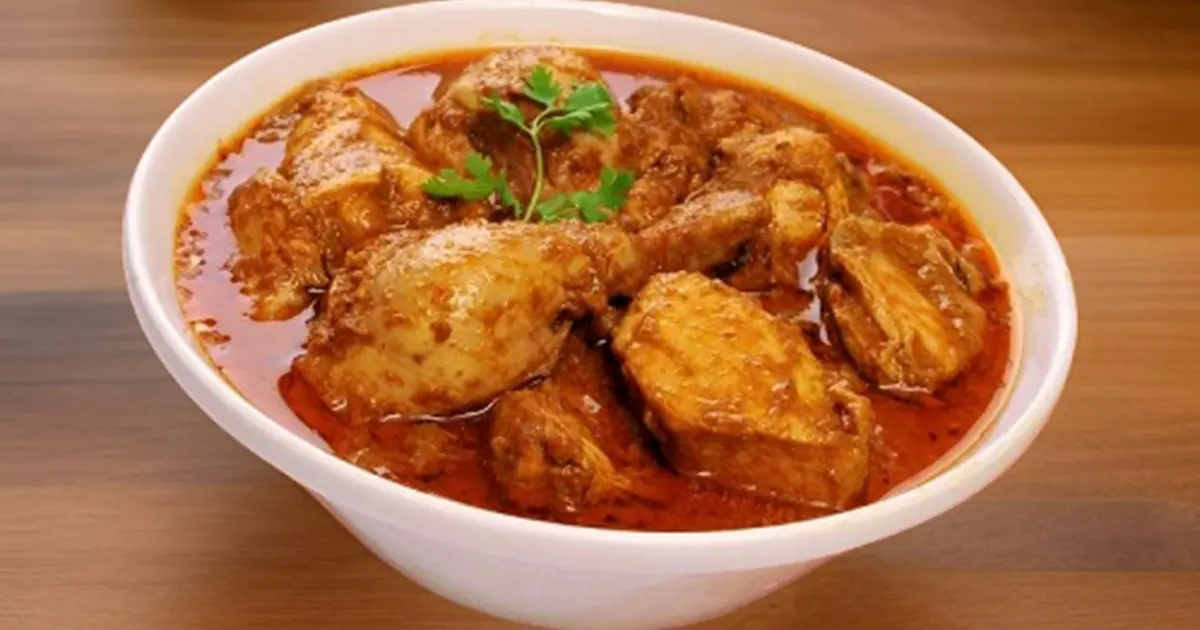
On a British Indian takeaway menu, chicken vindaloo usually means chicken cooked in a very hot curry sauce. Onion, tomato, garlic, ginger and ground spices commonly build the sauce, with chilli supplying much of its force. Vinegar may bring a noticeable tang, although some restaurant versions emphasise heat more than acidity.
Potato is a familiar addition in some UK versions, but it is not essential to vindaloo and does not explain its name. Portion size, sauce thickness and the amount of potato depend on the kitchen. When browsing Indian takeaways near you on Eatin, check individual menu descriptions rather than assuming every vindaloo follows the same formula.
Common Ingredients
Recipes vary by restaurant; these are typical ingredients, not a guarantee of what any takeaway uses.
Main ingredients
- Chicken
- Onion
- Tomato
- Potato in some UK versions
- Cooking oil
Typical sauces
- Vinegar
- Restaurant curry base in some versions
Common spices and seasonings
- Chilli
- Garlic
- Ginger
- Cumin
- Coriander
- Turmeric
- Black pepper or cloves in some blends
Garnishes
- Fresh coriander, sometimes
Possible allergens
- Mustard
- Milk
Taste and Flavour
Expect an assertive curry rather than a creamy one. A typical takeaway vindaloo combines a substantial chilli burn with savoury onion, garlic and warming ground spices. Tomato can give body and a little sweetness, while vinegar adds the sharper note that distinguishes the dish from a purely chilli-led sauce.
The balance is not fixed: one kitchen may produce a bright, acidic curry, another a darker, thicker sauce with heat at the forefront. Potato, when included, offers a softer, milder mouthful, but it does not make the surrounding sauce less hot.
Vindaloo versus madras
Both names commonly signal hotter curries on British takeaway menus, but vindaloo is usually placed above madras for heat. Madras often has a tomato-led, tangy sauce; vindaloo may push chilli and vinegar further. Neither name represents a nationally standardised recipe or a guaranteed heat rating.
If you enjoy madras but are considering vindaloo, ask whether the kitchen can explain the difference between its two sauces. Some takeaways use a related curry base with different seasoning, while others prepare more distinct versions. Choosing vindaloo solely as the next step up a heat ladder can overlook its garlic and sourness, which are important parts of its character.
Popular Variations
- Goan-influenced chicken vindaloo: vinegar, garlic and a ground spice mixture may be especially prominent, with less emphasis on the familiar British restaurant base sauce.
- British takeaway vindaloo: often a very hot, onion-and-tomato-based curry, sometimes containing pieces of potato.
- Chicken tikka vindaloo: some menus offer marinated, pre-cooked chicken tikka in vindaloo sauce, adding a different texture and potentially dairy from the marinade.
- Other proteins: lamb, pork or prawn versions change the main ingredient without making their sauces identical. Pork is particularly associated with Goan vindaloo; prawn versions introduce crustacean allergens.
A milder requested version may be possible, but the takeaway decides whether it can adjust the sauce.
What Goes Well With This Dish?
Plain basmati rice gives the sauce somewhere to go without adding competing spices. Garlic naan works well for scooping up the thicker parts, while a plain naan keeps the bread element gentler.
Cucumber raita offers a cool, creamy contrast if dairy suits your meal. Onion bhajis provide a crisp starter, though ordering several richly seasoned dishes together can make the meal feel heavier. Lemon pickle adds yet more sharpness, so taste the curry before adding it.
Allergens and Dietary Information
Mustard can appear as seeds, oil or part of a spice mixture. Milk may be present through ghee, yoghurt or a chicken tikka marinade, even when the sauce looks non-creamy. Ask about the curry base, prepared spice pastes and cooking fats, as well as shared equipment. A plain chicken version and a tikka version may have different allergen profiles.
Ingredients and allergens can vary between restaurants. Always check directly with the takeaway before ordering if you have a food allergy or specific dietary requirement.
Find Chicken Vindaloo at Takeaways Near You
Enter your postcode to see takeaways on Eatin whose menus list chicken vindaloo.
Frequently Asked Questions
Does vindaloo always contain potato?
No. Potato appears in some British takeaway versions, but it is not a defining requirement of vindaloo. The name comes from the Portuguese wine-or-vinegar-and-garlic preparation, not from the word aloo for potato.
Can I order a less hot chicken vindaloo?
You can ask, although a kitchen using a prepared sauce may have limited flexibility. Explain whether you want less chilli or less acidity: those are separate features. A madras may be another option, but check its heat too.
Is chicken vindaloo a dry dish?
On UK takeaway menus it usually arrives with a substantial curry sauce. Goan-influenced preparations can differ in consistency, so a menu photograph or description is more helpful than assuming every version will be equally saucy.
Content last reviewed 10 November 2026.