About Margherita Pizza
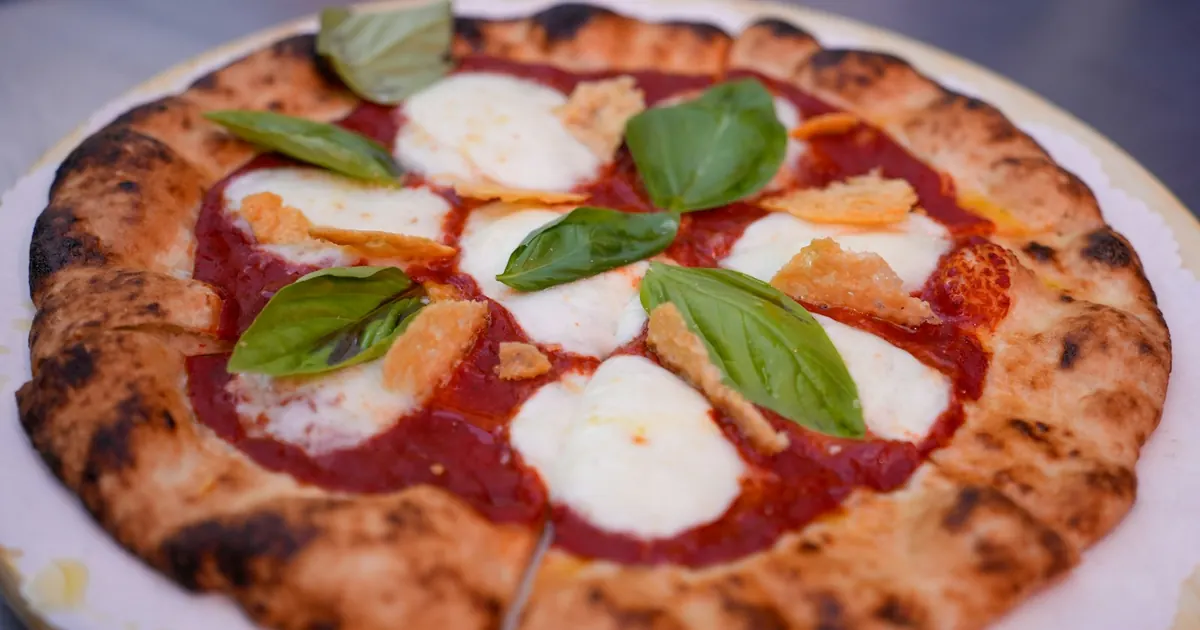
Margherita is a tomato-and-cheese pizza associated with Naples. Its traditional identity rests on tomato, mozzarella and basil, often finished with olive oil. With relatively few toppings, the balance between bread, sauce and cheese is particularly noticeable: a heavy cheese layer creates a different pizza from a lightly topped base with distinct pools of mozzarella.
The widely told naming story connects the pizza with Queen Margherita and the colours of the Italian flag. Details of that account are questioned by historians, so it is better understood as a familiar story than an uncontested explanation of the pizza's invention. Tomato-and-cheese pizza has a broader history than a single royal anecdote can capture.
On a UK takeaway menu, Margherita can also mean a straightforward cheese-and-tomato pizza made in the shop's usual style. That may involve grated mozzarella, a cheese blend, dried herbs and no fresh basil. It is worth reading the description if you want the traditional combination. The name describes the basic topping choice, not a guaranteed crust thickness, oven type or cheese specification.
Common Ingredients
Recipes vary by restaurant; these are typical ingredients, not a guarantee of what any takeaway uses.
Main ingredients
- Pizza dough made with wheat flour, water, yeast and salt
- Mozzarella
Typical sauces
- Tomato sauce
- Optional olive oil finish
Common spices and seasonings
- Optional dried oregano
Garnishes
- Fresh basil where included
Possible allergens
- Cereals containing gluten (wheat)
- Milk
Taste and Flavour
Tomato supplies sweetness and acidity, mozzarella brings a gentle milky richness, and basil adds a fresh, aromatic lift. The crust contributes toasted flavour and a contrast between its outer edge and softer centre. Olive oil can give a fruity finish without turning the pizza into a heavily sauced dish.
Takeaway versions with a generous layer of grated cheese may taste saltier and richer than versions using scattered fresh mozzarella. A longer bake can create browned cheese and a firmer base. Margherita is normally free from chilli heat, although chilli flakes or a spicy dipping sauce can change that quickly.
Choosing a crust style
A Neapolitan-style Margherita typically has a soft, flexible centre and a raised rim, with quick cooking in a very hot oven. A thin, crisp takeaway base offers more crunch and may carry a more even layer of sauce and cheese. Deep-pan versions give you a thicker bread layer and a more substantial bite.
Stuffed crust is another option, but extra cheese in the rim changes the balance of a deliberately simple topping. Ask how the takeaway describes its bases rather than assuming that thin means Neapolitan. Oven type, dough and baking method all affect the result, and the menu name alone cannot establish them.
Popular Variations
- Fresh mozzarella and basil: a version closer to the traditional topping combination, with visible pieces of cheese and fresh leaves.
- Standard cheese and tomato: often made with grated mozzarella or a cheese blend, sometimes with dried herbs instead of basil.
- Extra cheese: gives a richer topping but can obscure some of the tomato's brightness.
- Plant-based alternative: dairy-free cheese can replace mozzarella, though the dough, sauces and handling still need checking.
Adding mushrooms, olives or other vegetables makes a personalised pizza, but moves it away from the classic three-part topping. Check whether custom toppings replace ingredients or simply add to them.
What Goes Well With This Dish?
A sharply dressed green salad gives a useful contrast to warm bread and melted cheese. Tomato salad can work too, especially with herbs and a little acidity, although it repeats one of the pizza's main ingredients.
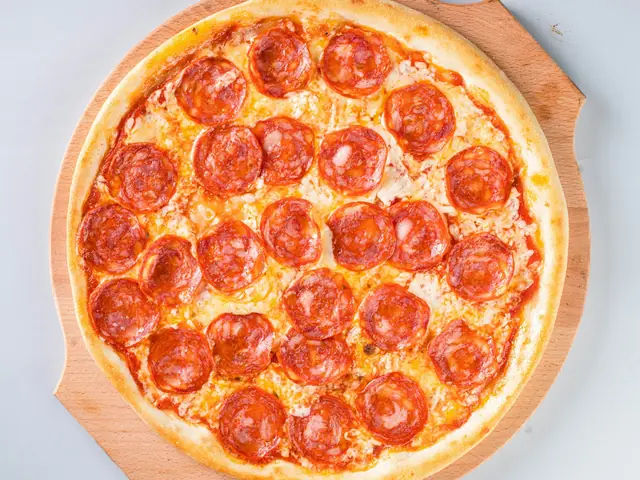
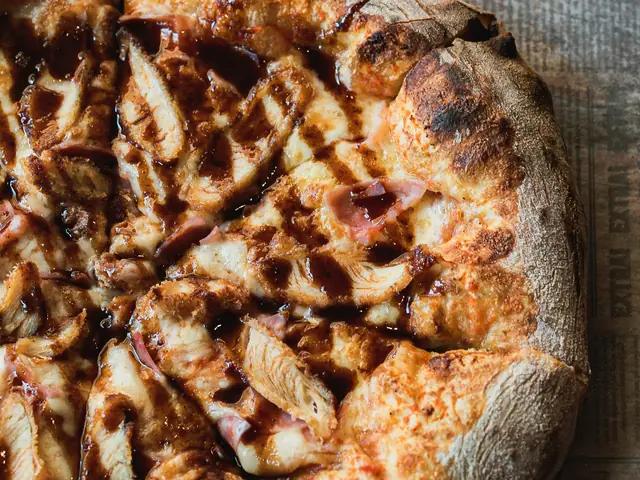
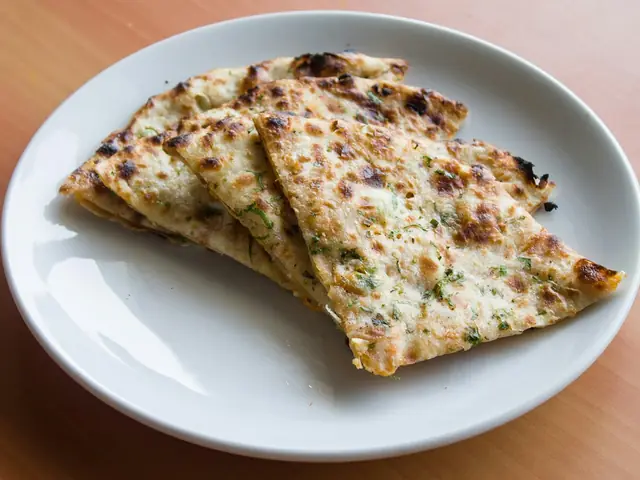
Garlic bread makes a bread-heavy meal, so a smaller shared portion may be enough. If ordering several pizzas, Margherita provides a simpler alternative alongside pepperoni or BBQ chicken rather than competing with their stronger toppings.
Allergens and Dietary Information
The usual base contains wheat and mozzarella contains milk. Stuffed crust and creamy dips add further dairy ingredients. Some cheeses use animal rennet, which matters for vegetarians even though the pizza has no meat topping. Ask about the cheese specification, dough and preparation arrangements; a gluten-free base or dairy-free cheese option does not by itself establish suitability for an allergy.
Ingredients and allergens can vary between restaurants. Always check directly with the takeaway before ordering if you have a food allergy or specific dietary requirement.
Find Margherita Pizza at Takeaways Near You
Enter your postcode to see takeaways on Eatin whose menus list margherita pizza.
Frequently Asked Questions
Is Margherita the same as cheese and tomato pizza?
The names overlap on UK takeaway menus. A traditional Margherita includes tomato, mozzarella and basil, while a cheese-and-tomato option may use a cheese blend and no fresh basil. Read the description if those details matter to you.
Can vegetarians eat Margherita?
Often, but not automatically. Some cheeses are made using animal rennet, so ask whether the mozzarella or cheese blend is suitable for vegetarians. Also check any stuffed crust, added sauces or other changes to the standard pizza.
How can I find a traditional-style version?
Use nearby takeaway menus to look for tomato, mozzarella and fresh basil listed together, alongside a clear description of the base. Photographs can help illustrate the style, but ask the takeaway if a particular cheese or crust is essential to your order.
Content last reviewed 10 November 2026.