About Pepperoni Pizza
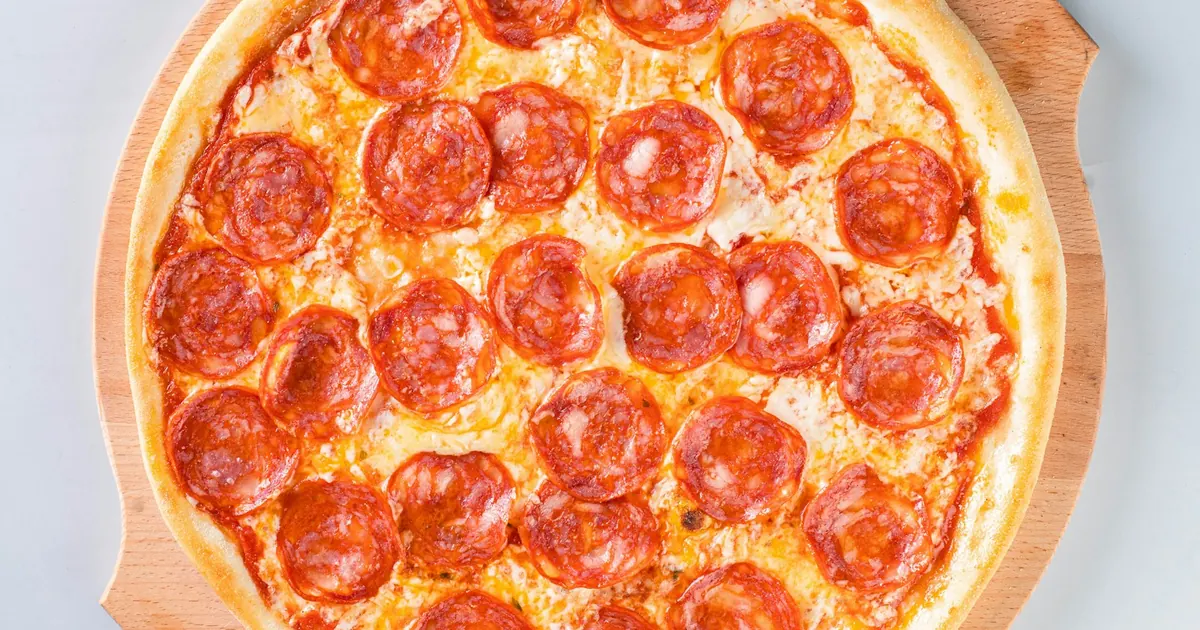
Pepperoni pizza is built around slices of cured sausage baked over a base of dough, tomato sauce and cheese. Pepperoni is an American sausage style, traditionally made with pork and beef and seasoned to give a distinctive reddish colour and warming flavour. The precise spice mixture, meat blend and intensity vary between manufacturers.
During baking, the sausage releases some fat into the cheese and sauce. Its edges may crisp, and some slices curl into small cups, although that depends on the product, slicing and cooking rather than being a feature of every pepperoni pizza. Other versions keep flatter, softer slices across the topping.
UK takeaways may offer pepperoni made with different meats, including beef, chicken or turkey. Those alternatives are important distinctions, not details to infer from appearance. A pork-free product is not automatically halal, and the pizza's cheese and preparation may also matter to a customer's requirements. When comparing nearby menus, look for a clear ingredient description and ask the individual takeaway about anything the listing leaves uncertain. The pizza's familiar name does not identify its meat source or dietary status.
Common Ingredients
Recipes vary by restaurant; these are typical ingredients, not a guarantee of what any takeaway uses.
Main ingredients
- Wheat-based pizza dough
- Mozzarella or cheese blend
- Pepperoni, traditionally pork and beef
Typical sauces
- Tomato pizza sauce
Common spices and seasonings
- Paprika and other pepperoni seasonings
- Optional chilli flakes
Garnishes
- Optional dried oregano
Possible allergens
- Cereals containing gluten (wheat)
- Milk
- Soya
- Mustard
- Sulphites
Taste and Flavour
Expect a richer, saltier flavour than a plain cheese-and-tomato pizza. Pepperoni adds cured-meat savouriness and a warming spice note, while tomato acidity helps balance the cheese and rendered fat. Crisp sausage edges can give a firmer bite against the stretchy topping.
Heat is product-dependent: some pepperoni is gently seasoned, while other versions carry a more noticeable chilli kick. Extra chilli, jalapeños or hot sauce can make the finished pizza considerably hotter. A thick base softens the overall intensity with more bread per bite; a thin base puts the sausage and cheese more firmly in the foreground.
Base, cheese and topping balance
Thin crust gives a relatively crisp platform for pepperoni, while deep-pan dough produces a softer, breadier slice. A stuffed rim adds another cheese element before you even reach the topping. These are separate choices from the sausage itself, so select the base first if texture is your priority.
Mozzarella is a common choice for its melt and stretch; some takeaways use blends that introduce a stronger cheese flavour. Extra pepperoni increases richness and saltiness as well as meat coverage. If you want a balanced slice, ask about the standard portion before doubling it, and keep rich dips on the side.
Popular Variations
- Classic pepperoni: sausage slices with cheese and tomato sauce, without additional meat toppings.
- Double pepperoni: more sausage coverage; the exact amount is set by the takeaway rather than a universal definition.
- Beef, chicken or turkey pepperoni: alternative products with their own texture and seasoning. Ask which is used.
- Hot pepperoni pizza: added chilli, jalapeños or hot sauce makes a different experience from the standard topping.
- Mixed-meat versions: pepperoni may appear alongside ham, bacon, chicken or other meats, each requiring its own ingredient check.
Crust choices can usually change the eating experience as much as an extra topping, especially when moving between thin and deep-pan styles.
What Goes Well With This Dish?
A crunchy salad with a tangy dressing cuts through the richness without adding another heavy topping. Coleslaw provides a cooler contrast, although its dressing may introduce egg or mustard. Garlic bread, potato wedges and chips are possible sharing sides when you want a more substantial order.
Choose dips according to the pizza's seasoning: a cooling garlic dip softens the impression of heat, while chilli sauce pushes it further. Check creamy dips separately for dairy and egg.
Allergens and Dietary Information
Wheat in the base and milk in the cheese are usual allergens. Processed pepperoni can have additional ingredients such as soya, mustard or sulphites, depending on the product; ask for its specification rather than assuming a simple meat-and-spice recipe. Dips and stuffed crusts introduce further variables. Allergy-related enquiries should include shared preparation surfaces, cutters and oven handling as well as the topping list.
Ingredients and allergens can vary between restaurants. Always check directly with the takeaway before ordering if you have a food allergy or specific dietary requirement.
Find Pepperoni Pizza at Takeaways Near You
Enter your postcode to see takeaways on Eatin whose menus list pepperoni pizza.
Frequently Asked Questions
Is pepperoni always pork?
No. Traditional American-style pepperoni commonly combines pork and beef, but some products use beef, chicken or turkey instead. The takeaway should identify its own product. Colour and appearance cannot reliably tell you which meats a sausage contains.
Can I assume a pork-free pepperoni pizza is halal?
No. Ask the specific takeaway whether the meat and preparation meet its stated halal standards, and request clarification about certification or handling if needed. A beef, chicken or turkey label alone does not answer those questions.
Why do some pepperoni slices curl?
Curling depends on factors including the sausage casing, slice thickness and how it cooks. Some products form small cups with crisp edges, while others remain flatter. Neither appearance tells you the meat source, and not every takeaway offers a choice between these styles.
Content last reviewed 10 November 2026.