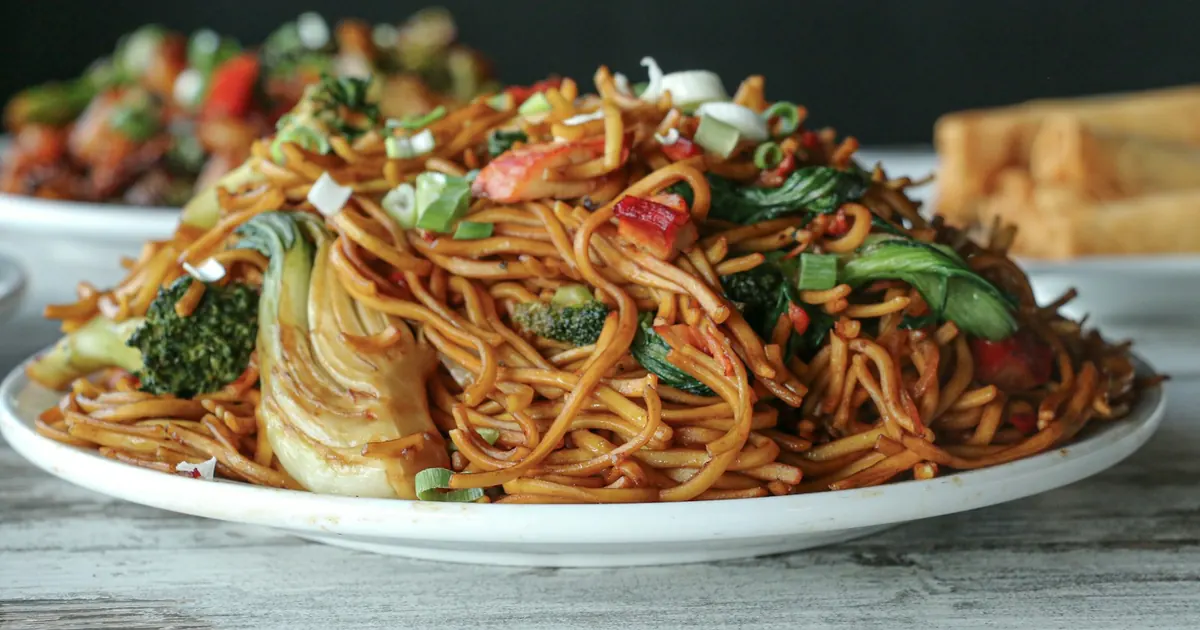
About Chicken Chow Mein
Chow mein refers to stir-fried noodles rather than one fixed sauce or vegetable combination. In a chicken version, strips or pieces of chicken share the pan with noodles and vegetables such as beansprouts, onion and cabbage. The noodles are commonly wheat-based egg noodles, but their thickness and texture depend on the kitchen.
For a soft style, the noodles are usually cooked or softened before being tossed with the other ingredients. Chicken is cooked through, vegetables are briefly fried, and seasoning is distributed quickly over a high heat. The aim is a mixture that feels lively rather than weighed down by liquid.
Some menus instead offer a crisp noodle base topped with chicken, vegetables and sauce. This can arrive as a noticeably wetter dish, with the contrast between crunchy noodles and sauce being part of its appeal. Check the menu wording rather than assuming every chow mein will look alike. When browsing local takeaway menus, compare descriptions of soft, dry or crispy noodles before choosing.
Common Ingredients
Recipes vary by restaurant; these are typical ingredients, not a guarantee of what any takeaway uses.
Main ingredients
- Chicken
- Wheat egg noodles
- Beansprouts
- Onion
- Cabbage
- Cooking oil
Typical sauces
- Light or dark soy sauce
- Oyster sauce in some recipes
Common spices and seasonings
- White pepper
- Garlic
- Ginger
Garnishes
- Spring onion
Possible allergens
- Cereals containing gluten (wheat)
- Egg
- Soya
- Molluscs
- Sesame
Taste and Flavour
A typical chicken chow mein is savoury rather than hot, with soy seasoning bringing saltiness and depth. Onion can add sweetness, while beansprouts provide a fresh crunch against the springier noodles. Chicken offers a gentler flavour that takes on the surrounding seasoning.
Some kitchens finish with sesame oil or use oyster sauce for extra richness; neither is essential to every version. Dark soy can deepen the colour without making the dish spicy. A well-fried version may have lightly toasted notes, while a saucier style feels softer and more rounded.
Chow mein and other noodle dishes
The distinction between chow mein and lo mein is not applied consistently on British menus. Broadly, chow mein emphasises frying, while lo mein commonly involves cooked noodles tossed with sauce. Ask about texture if that matters more to you than the name.
Ho fun uses broad rice noodles rather than the usual thin wheat egg noodles. Singapore noodles are commonly made with fine rice vermicelli and curry seasoning, often with mixed proteins. Neither is simply another name for chicken chow mein, and rice noodles do not make the finished dish automatically suitable for someone avoiding gluten.
Popular Variations
- Soft chicken chow mein: cooked noodles tossed with chicken, vegetables and seasoning, usually without a large pool of sauce.
- Crispy noodle style: fried noodles served beneath a saucier chicken topping. Some soften during the journey home.
- Chicken and mushroom: mushrooms add an earthy note, though the exact sauce still depends on the kitchen.
- Spicy chicken noodles: chilli or a chilli-based sauce changes the usual mild profile; check how the takeaway describes it.
Special or house chow mein can include several meats or seafood rather than chicken alone. Do not assume that a familiar name tells you every ingredient.
What Goes Well With This Dish?
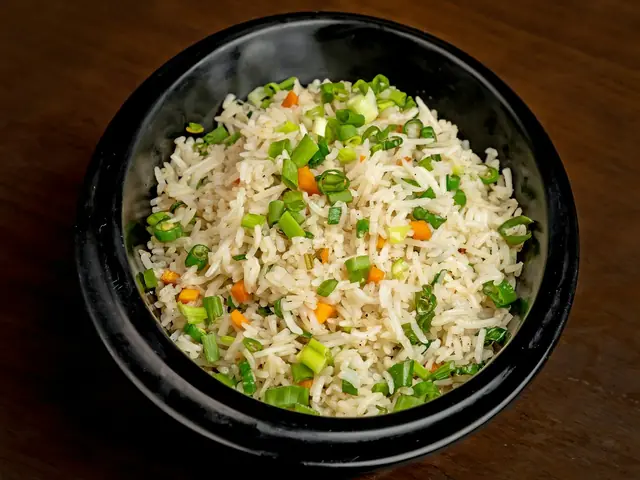
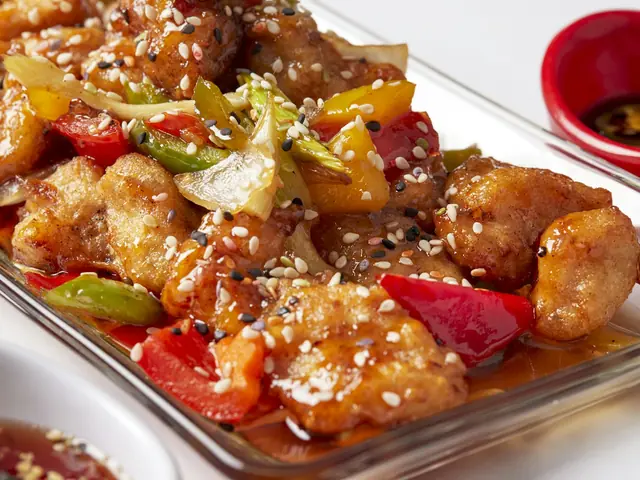
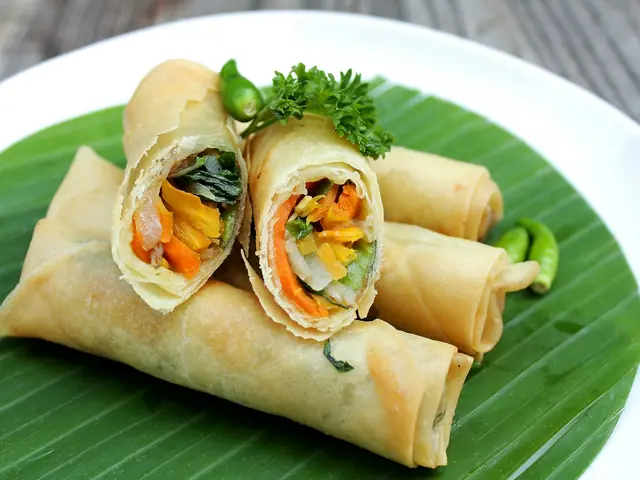
Chicken chow mein can work as a complete main because it already combines noodles, protein and vegetables. For a shared order, sweet and sour chicken adds a contrasting tangy sauce, while spring rolls bring a crisp starter texture. If ordering egg fried rice as well, consider sharing both starches rather than treating the rice as essential. Steamed or stir-fried vegetables can offer a lighter contrast.
Allergens and Dietary Information
Wheat and egg are common in the noodles, and soy sauce commonly contributes soya and wheat. Oyster sauce introduces molluscs, while sesame oil or seeds add sesame. Ask about both the noodles and the seasoning, not just the chicken. Shared woks, utensils and cooking oil also matter when discussing an allergy with the takeaway.
Ingredients and allergens can vary between restaurants. Always check directly with the takeaway before ordering if you have a food allergy or specific dietary requirement.
Find Chicken Chow Mein at Takeaways Near You
Enter your postcode to see takeaways on Eatin whose menus list chicken chow mein.
Frequently Asked Questions
Is chicken chow mein normally spicy?
Usually it is mild, with more emphasis on savoury seasoning than chilli heat. A spicy or chilli-labelled version may be quite different. Ask whether chilli is cooked into the sauce if you want to avoid it.
Does chow mein always use egg noodles?
Egg noodles are common in UK chicken chow mein, but menus and suppliers differ. Check the actual noodle ingredients if avoiding egg or wheat; requesting rice noodles also requires checking the sauces and shared cooking equipment.
Why are some versions crispy?
Some kitchens fry noodles into a crisp base and spoon the chicken topping over them. Others stir-fry softened noodles throughout. Sauce gradually softens crisp noodles, so the texture can change while the order is being delivered.
Content last reviewed 10 November 2026.