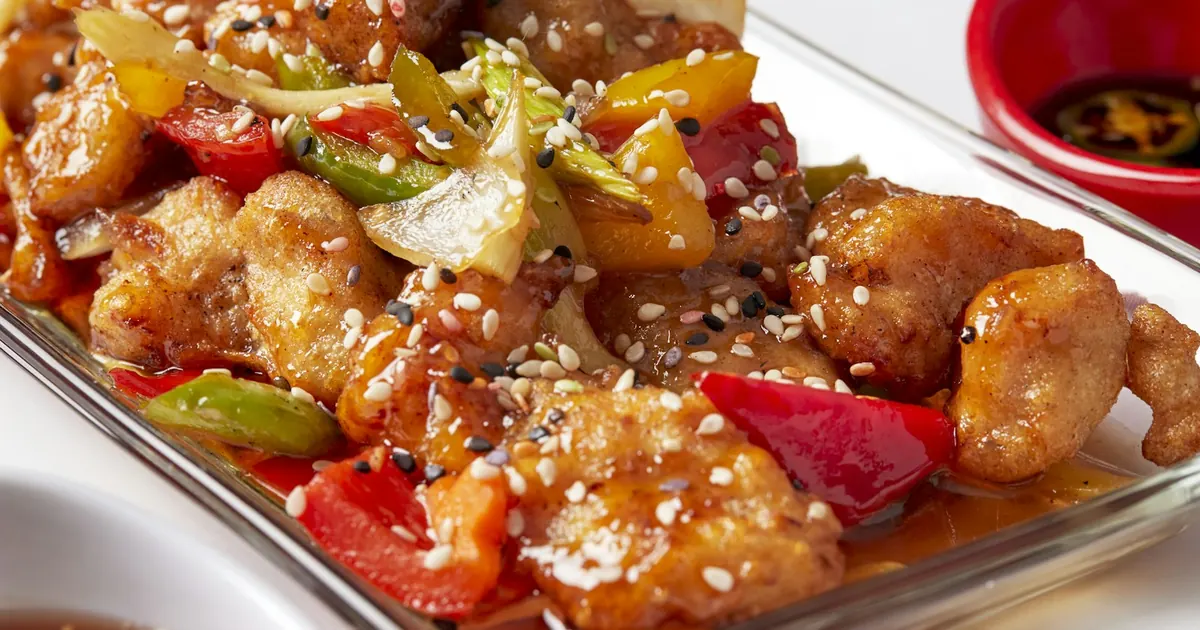
About Sweet and Sour Chicken
Sweet and sour chicken is a family of dishes rather than a single uniform preparation. The sauce usually combines sugar and vinegar with other ingredients that give it colour, body and fruitiness. Tomato ketchup or another tomato ingredient is common in British takeaway versions; pineapple juice may also feature. Cornflour is often used to thicken the sauce.
How the chicken is prepared makes a substantial difference. Chicken balls have a substantial batter shell and are frequently served with a separate pot of sauce. Hong Kong-style listings commonly mean smaller coated pieces tossed with sauce, often alongside peppers, onion and pineapple. Menu terminology is not completely standard, so descriptions are worth reading.
Unbattered chicken offers another approach, with sliced meat cooked with vegetables and sauce instead of a fried coating. All these versions aim for sweetness balanced by acidity, but their texture and sauce coverage vary considerably. Choosing between them is as much about whether you want crunch, batter or a softer stir-fry as it is about flavour.
Common Ingredients
Recipes vary by restaurant; these are typical ingredients, not a guarantee of what any takeaway uses.
Main ingredients
- Chicken
- Peppers
- Onion
- Pineapple in some versions
- Wheat flour batter or starch coating
- Cooking oil
Typical sauces
- Vinegar
- Sugar
- Tomato ketchup
- Pineapple juice in some sauces
- Soy sauce in some recipes
Common spices and seasonings
- Garlic
- Ginger
Garnishes
- Spring onion, optional
Possible allergens
- Cereals containing gluten (wheat)
- Egg
- Soya
- Celery
- Sulphites
Taste and Flavour
Sweetness usually arrives first, followed by a sharper vinegar finish. Tomato ingredients can lend a fruity, savoury note, while pineapple brings its own acidity and juicy texture when included. Peppers and onions add freshness and a little bite.
The chicken itself is generally gently seasoned, leaving the sauce and coating to lead. Freshly fried batter contrasts with the glossy sauce, but pieces tossed in it will gradually soften. Colour can range from orange to deep red and does not reliably indicate heat. Chilli is not essential, though some kitchens add it.
Choosing battered or unbattered chicken
Chicken balls suit anyone who wants to control how much sauce reaches the batter: dipping each piece preserves more crunch than pouring sauce over everything. Smaller coated pieces tossed in sauce offer a more integrated mouthful, with vegetables mixed through.
Unbattered versions have no crisp shell to protect and tend to feel more like a sauced stir-fry. They still need ingredient checks, since marinades, thickeners and sauces may contain allergens. If the menu only says “sweet and sour chicken”, ask which preparation it means before ordering rather than relying on a photograph.
Popular Variations
- Chicken balls with sauce: larger battered pieces, often with sauce supplied separately; the batter-to-meat balance differs between kitchens.
- Hong Kong-style: commonly smaller coated pieces with peppers, onions and pineapple in the sauce. Check the description because naming varies.
- Unbattered chicken: sliced or diced chicken cooked in the sauce without the usual fried shell.
- Pineapple-free versions: some kitchens omit the fruit while retaining the sweet, acidic sauce.
A request for extra heat may introduce chilli sauce or fresh chilli. It changes the character of the dish and may introduce additional ingredients, so discuss it rather than assuming it is a straightforward adjustment.
What Goes Well With This Dish?
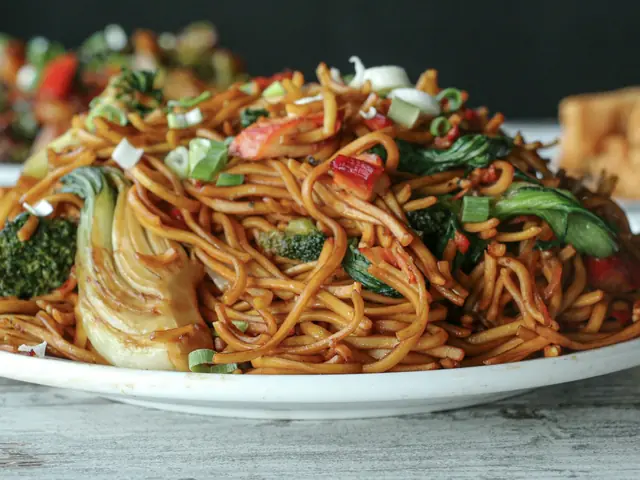
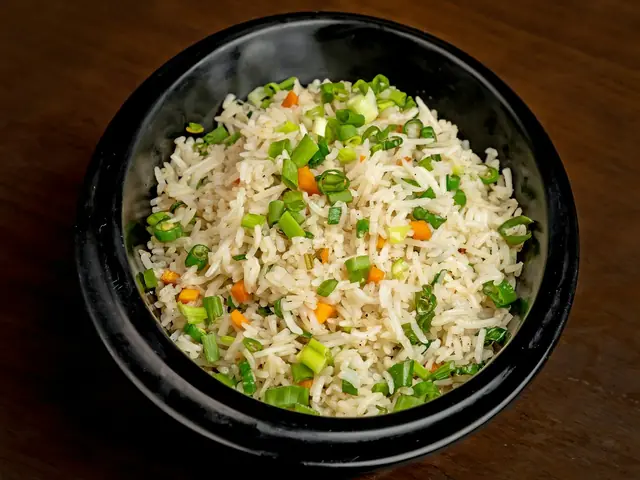
Plain boiled rice absorbs the sauce without adding much competing flavour. Egg fried rice gives a richer, savoury contrast, particularly when shared across several dishes. Soft noodles or chicken chow mein can also sit alongside it, though both dishes together make a substantial order. For balance, include some simply cooked vegetables and add sauce gradually if you prefer the rice or noodles to stay separate.
Allergens and Dietary Information
Batter commonly contains wheat and may contain egg; a starch coating is not proof that a dish avoids either. Soy sauce can add soya and wheat, while prepared ketchup or other sauces may contain celery. Sulphites may be relevant in some vinegar or prepared sauce ingredients. Ask the takeaway to check its products and shared fryer arrangements.
Ingredients and allergens can vary between restaurants. Always check directly with the takeaway before ordering if you have a food allergy or specific dietary requirement.
Find Sweet and Sour Chicken at Takeaways Near You
Enter your postcode to see takeaways on Eatin whose menus list sweet and sour chicken.
Frequently Asked Questions
Are chicken balls the same as Hong Kong-style chicken?
They are usually different preparations. Chicken balls commonly have a thicker batter and a separate sauce, while Hong Kong-style pieces are often smaller and tossed with vegetables in sauce. Individual takeaway descriptions remain the best guide.
Does it always contain pineapple?
No. Pineapple pieces and juice are common additions but not defining requirements in every recipe. If you dislike the fruit or need to avoid it, ask about both visible pieces and juice already mixed into the sauce.
Can I order the sauce separately?
That is common with chicken balls and may be possible with other versions, depending on the takeaway. Separate sauce lets you choose the amount and can help preserve the fried coating, although steam in the container still softens it.
Content last reviewed 10 November 2026.