About Spring Rolls
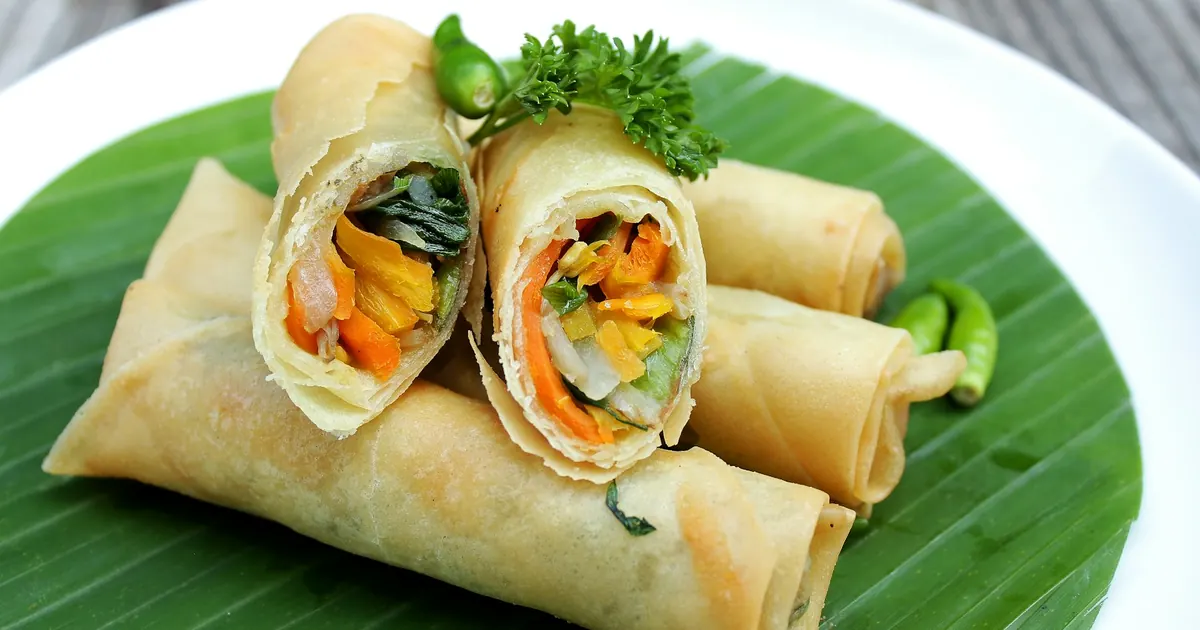
A Chinese takeaway spring roll is usually a thin pastry wrapper folded around a savoury filling and fried until golden. Cabbage, carrot and beansprouts are common vegetable ingredients, sometimes joined by mushrooms or fine noodles. Meat versions might contain pork or chicken, while some fillings include prawns. There is no single filling that the name guarantees.
The wrapper is typically made with wheat flour and water. Its thin layers become brittle and crisp in hot oil, contrasting with the softer mixture inside. Size varies: small rolls work as a shared starter, while larger ones can hold a more substantial vegetable filling. Menu terms such as pancake roll may refer to a larger version, but terminology differs between takeaways.
These fried parcels are different from Vietnamese fresh rice-paper rolls, which have a soft, translucent wrapper and are generally served without frying. Rice-paper wrappers should not be assumed when ordering Chinese spring rolls. For a suitable choice, check both the filling and the pastry rather than relying on a photograph or the word vegetable alone.
Common Ingredients
Recipes vary by restaurant; these are typical ingredients, not a guarantee of what any takeaway uses.
Main ingredients
- Wheat pastry wrappers
- Cabbage
- Carrot
- Beansprouts
- Optional mushrooms, noodles, pork, chicken or prawns
Typical sauces
- Soy sauce in some fillings
- Sweet chilli sauce
- Sweet and sour dip
Common spices and seasonings
- White pepper
- Ginger in some fillings
Possible allergens
- Cereals containing gluten (wheat)
- Soya
- Crustaceans
- Egg
- Sesame
Taste and Flavour
The first impression is usually the crunch of the wrapper, followed by a softer, lightly seasoned filling. Cabbage brings sweetness, beansprouts a fresher bite and mushrooms an earthy savouriness. Pork or chicken adds a richer centre, while prawns give their own distinct flavour.
Spring rolls are not necessarily hot with chilli. Much of the heat may come from a separate dipping sauce rather than the filling itself. Soy sauce can bring saltiness, and white pepper adds a gentle warmth. A well-drained roll feels crisp rather than oily, although texture changes as steam collects inside a takeaway container.
How the crisp wrapper is made
The filling is commonly cooked or prepared before wrapping, with excess moisture reduced so the pastry does not become soggy. Each wrapper is folded around a portion of filling, the sides tucked in and the final edge sealed. Deep-frying then cooks and crisps the outside; some versions are baked or air-fried instead, producing a different finish.
For a delivered order, eat the rolls early if crunch is your priority. Keeping them sealed in a steamy box softens the pastry. Add dipping sauce a little at a time rather than pouring it over the whole portion, which quickly soaks the wrapper.
Popular Variations
- Vegetable rolls: cabbage, carrot and beansprouts are common, but mushrooms and noodles may also appear. Ask whether the seasoning contains animal-derived ingredients.
- Meat-filled rolls: pork or chicken can be mixed through shredded vegetables rather than forming the entire filling.
- Prawn rolls: these may combine prawns with vegetables or other ingredients; they are not interchangeable with a vegetable option.
- Mini spring rolls: smaller parcels suit sharing and dipping, though their filling-to-wrapper balance differs from larger rolls.
Descriptions are more useful than size alone. A large roll is not automatically meat-filled, and a small one is not automatically vegetarian.
What Goes Well With This Dish?
Sweet chilli sauce adds sweetness and heat, while sweet and sour sauce gives a tangier contrast. A soy-based dip offers a saltier option; check its ingredients if wheat or soya is a concern.
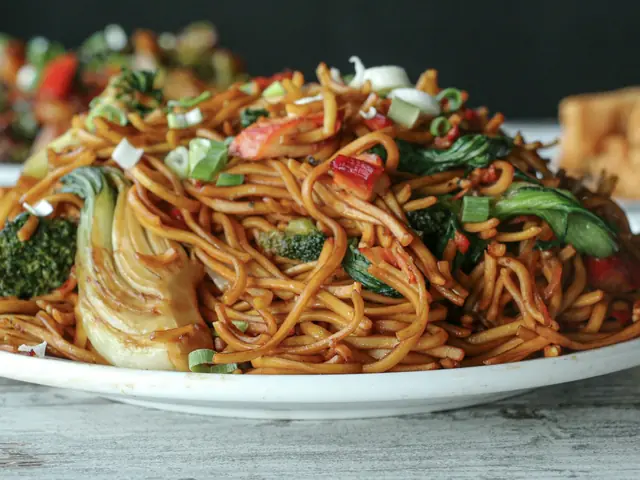
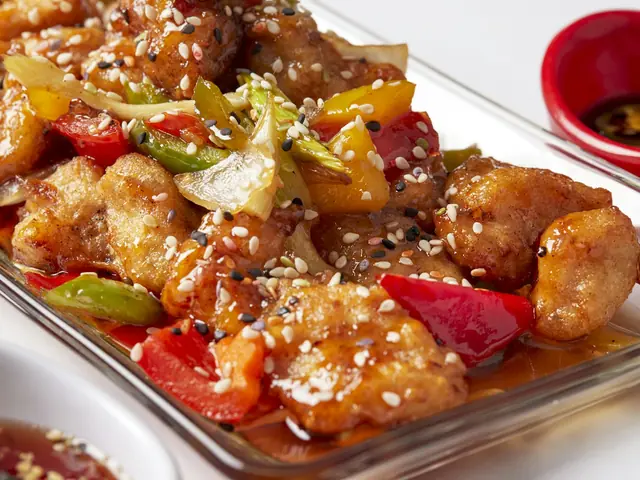
For a fuller meal, spring rolls can sit beside chicken chow mein or egg fried rice. With sweet and sour chicken, consider keeping the rolls' dip separate so the plate does not become dominated by sweet sauce.
Allergens and Dietary Information
Wheat in the pastry is the main consideration. Soya may be present in seasoning, egg in some wrappers, and sesame in oil or sauces. Prawn fillings contain crustaceans. Vegetable rolls can share frying oil or preparation areas with meat and seafood, so ask about both ingredients and handling when an allergy or dietary requirement affects your order.
Ingredients and allergens can vary between restaurants. Always check directly with the takeaway before ordering if you have a food allergy or specific dietary requirement.
Find Spring Rolls at Takeaways Near You
Enter your postcode to see takeaways on Eatin whose menus list spring rolls.
Frequently Asked Questions
Are spring rolls always vegetarian?
No. Some contain pork, chicken or prawns, and vegetable fillings may use sauces with animal-derived ingredients. Ask specifically about the filling, wrapper and frying arrangements rather than treating the name as a vegetarian description.
Are the wrappers made from rice?
Chinese takeaway spring rolls usually use wheat-based pastry. The translucent rice-paper wrappers associated with Vietnamese fresh rolls are a different product. If avoiding wheat, ask the takeaway directly rather than assuming that all spring roll wrappers are alike.
Which dip should I choose?
Choose sweet chilli for sweet heat, sweet and sour for a fruity tang, or a soy-based dip for saltier seasoning. Sauces vary, so ask what comes with the portion and request it separately if you prefer a crisp wrapper.
Content last reviewed 10 November 2026.